Whangaparaoa House Prices 2026: Values, Trends and Seller Guide
Whangaparaoa house prices are useful to track if you are thinking about selling, buying, refinancing or checking where your home sits in the Hibiscus Coast market. But one suburb-wide figure can only tell part of the story. A sea-view home in Manly, a family house in Stanmore Bay, a townhouse near Gulf Harbour and an older property needing work can all attract very different buyer demand.
This guide explains how to read Whangaparaoa property price data, why online figures vary, what affects value across the peninsula, and how homeowners can move from broad market numbers to a more useful estimate for their own address.
TL;DR: Local property prices at a glance
- Whangaparaoa house prices are best used as a market guide, not a final valuation. Your own home’s likely selling range depends on recent comparable sales, land size, condition, views, parking, layout and current buyer demand.
- CV, RV and rating valuations can be useful background, but they are not live sale prices. For official context, see LINZ guidance on property valuation in New Zealand.
- If you ask a licensed real estate agent for an appraisal before signing an agency agreement, it should be in writing, reflect current market conditions and be supported by comparable sales evidence. The Real Estate Authority explains this in its guidance on property appraisals.
- Before preparing your property for sale, it is worth reviewing independent seller guidance, such as Settled’s planning to sell guide, especially on pricing, presentation, and choosing a sale method.
- Whangaparaoa should also be read in the context of the wider Auckland market. For broader regional context, see Price My Property’s Auckland Property Market 2026 guide.
- For a broader north Auckland comparison, Price My Property’s Rodney House Price 2026 guide is useful because many buyers compare Whangaparaoa with nearby Hibiscus Coast and wider north Auckland areas.
If you want to move from broad Whangaparaoa house price data to your own address, request a free Market Property Report from Price My Property.
What are Whangaparaoa house prices doing in 2026?
Whangaparaoa house prices in 2026 are best understood as a range rather than a single number. Public property websites may show different figures depending on whether they are measuring recent sale prices, automated estimates, average asking prices or median values across a set period. That is why two websites can both be useful while still showing different results.
For homeowners, the important question is not only “What is the average house price in Whangaparaoa?” A better question is: “What are buyers currently paying for homes like mine, in my part of the peninsula, in today’s market?”
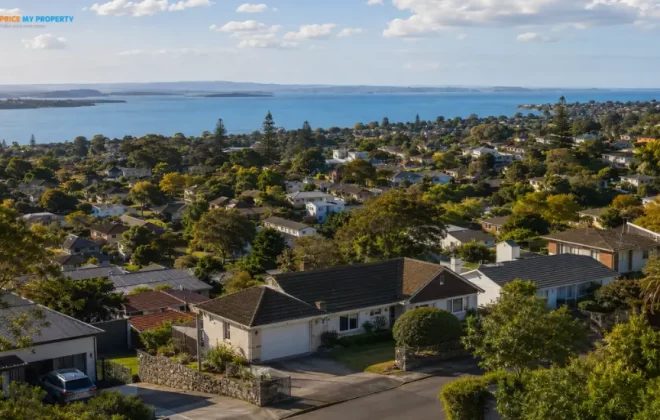
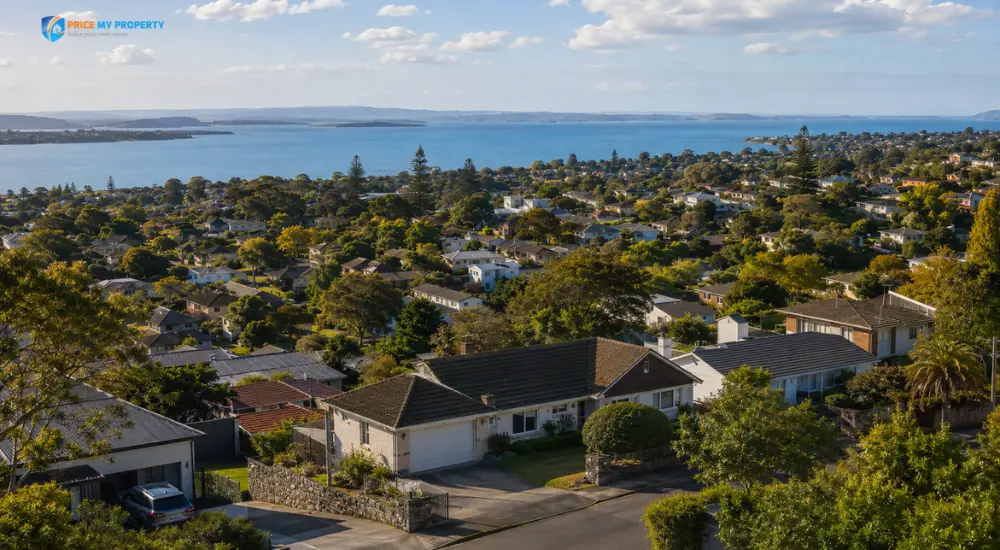
Whangaparaoa is a varied coastal area. Properties closer to beaches, parks, marina facilities or sea views may sit in a different buyer pool from homes further inland or properties needing renovation. Standalone houses, townhouses, apartments and sections can also pull the data in different directions.
Before relying on one Whangaparaoa average, it is worth checking your own address against recent local sales. You can get a free Whangaparaoa Market Property Report from Price My Property to start with a more property-specific view.
Why do Whangaparaoa price figures differ between websites
One of the most confusing parts of researching local house price figures is that the numbers do not always line up. This does not necessarily mean one source is wrong. It often means each source is measuring something different.
A median sale price looks at completed sales over a chosen period. An average value may be influenced by higher-end or lower-end properties. An asking price shows what sellers hope to achieve, not always what buyers eventually pay. An automated valuation is a modelled estimate, usually based on available property data, sales evidence and market movement.
The timeframe also matters. A three-month figure can look quite different from a 12-month figure, especially if only a small number of similar homes have sold. In a coastal suburb with a mix of property types, one or two premium waterfront sales can shift the picture. So can a run of smaller units, apartments or homes needing work.
This is why broad suburb data should be treated as a starting point. It helps you understand the general market, but it should not be used as your only pricing evidence.
Whangaparaoa property market snapshot
Whangaparaoa appeals to several buyer groups. Families often look for practical homes close to schools, beaches and local shops. Downsizers may be drawn to single-level homes, low-maintenance townhouses or coastal apartments. Lifestyle buyers often focus on views, beach access, quiet streets and the peninsula’s relaxed feel. Investors may look more closely at rental demand, maintenance and yield.
The property mix is broad. You will find older family homes, renovated coastal properties, townhouses, and apartments around Gulf Harbour, as well as larger homes with sea views, sections, and homes with development or renovation potential. Because of this variety, Whangaparaoa property prices can move differently from one pocket to the next.
The strongest price drivers usually include:
| Price factor | Why it matters |
| Location | Buyers often pay more for beach access, views, privacy and convenience. |
| Property condition | Renovated, well-presented homes can attract stronger competition. |
| Land and layout | Usable land, parking, garaging and family-friendly flow matter. |
| Views and aspects | Sea views, sunlight and shelter can influence buyer interest and perceived value. |
| Current competition | Your home’s value is affected by what else buyers can choose at the same time. |
Why Whangaparaoa house prices are not the same as your home’s value
Suburb averages are broad. Your property is specific. That difference matters when setting a sales expectation.
A home in Manly with sea views and strong indoor-outdoor flow may not compare well with a townhouse further from the beach. A renovated family home in Stanmore Bay may attract different buyers from a Gulf Harbour apartment or an older home near Army Bay. Even homes on the same street can vary because of sun exposure, slope, privacy, garaging, access, and maintenance.
Condition is another major factor. Buyers usually look beyond bedroom count. They notice roofing, cladding, drainage, insulation, heating, kitchens, bathrooms and outdoor living. A home that looks tidy but needs expensive work may sit differently from a similar home that has already been upgraded.
Layout can also affect value. In 2026, many buyers still want flexible space. A work-from-home room, second living area, internal-access garage, good storage or single-level layout can make a property more appealing to the right buyer group.
Rather than relying on a CV alone, Whangaparaoa homeowners can request a free, property-specific Market Property Report from Price My Property and compare their home with more relevant local evidence.
Whangaparaoa suburbs and nearby areas: where values can differ
Whangaparaoa is not one uniform market. It is a peninsula with several distinct pockets, each with its own appeal to buyers.
Stanmore Bay
Stanmore Bay is often popular with families because of its beach, schools, local facilities and practical housing stock. Buyers may compare homes here based on section size, renovation quality, parking and access to local amenities.
Manly
Manly has strong coastal appeal, especially for buyers who want established homes, beach access and a relaxed village feel. Homes with views or easy walking access to the beach can attract more emotional interest from buyers.
Gulf Harbour
Gulf Harbour has a different property mix, including apartments, townhouses, marina-side living and larger homes. Buyers may be drawn by the marina, ferry access, coastal lifestyle and low-maintenance options, but they will also look closely at body corporate costs where relevant.
Army Bay
Army Bay can appeal to buyers seeking a quieter coastal feel near the peninsula’s end. Distance from central Auckland may be a trade-off, but privacy, views and lifestyle appeal can be important value drivers.
Matakatia, Tindalls Bay and Arkles Bay
These coastal pockets can be tightly held. Buyers often focus on views, beach access, privacy, sun and the feeling of being close to the water. Sales evidence may be thinner, so direct comparisons need care.
Red Beach and the wider Hibiscus Coast
Red Beach, Ōrewa and Silverdale can influence buyer expectations because people often compare homes across the wider Hibiscus Coast. A buyer may look at Whangaparaoa, then compare it with a newer Silverdale property, a beachside Ōrewa apartment or a Red Beach family home.
Whangaparaoa vs Auckland and Rodney property prices
Whangaparaoa is part of Auckland, but it does not behave exactly like every Auckland suburb. Central Auckland apartments, North Shore family homes, West Auckland sections and Hibiscus Coast coastal homes can all respond to different buyer demand.
That is why Auckland-wide property data is useful for context but not enough to price a Whangaparaoa home. Interest rates, lending conditions, buyer confidence and listing volumes may affect the wider Auckland market, but your final pricing decision should still come back to local comparable sales.
Whangaparaoa also sits within the wider Hibiscus Coast and North Auckland property picture. Buyers may compare the peninsula with Warkworth, Ōrewa, Red Beach, Silverdale, Millwater and lifestyle areas further north. Warkworth, for example, has a different town-and-country feel, while Ōrewa often brings beach-town and apartment comparisons. Silverdale and Millwater may compete on newer housing, retail access and transport links.
For sellers, this means your pricing strategy should consider both the local Whangaparaoa market and the wider buyer alternatives across Auckland, the Hibiscus Coast and nearby north Auckland areas.
Whangaparaoa property values by property type
Different property types can sit in different value bands, even within the same suburb.
Three-bedroom homes often attract first-home buyers, young families, investors and downsizers, depending on the layout and location. A tidy three-bedroom home with usable outdoor space can perform well if it is priced against realistic comparable sales.
Four-bedroom family homes may appeal to established families looking for space, parking, storage and school access. These buyers often compare living areas, bedroom separation, garaging and outdoor flow.
Townhouses and units can attract buyers looking for lower maintenance or a more affordable entry point into the area. Body corporate costs, construction quality, parking and privacy can all affect buyer confidence.
Apartments are more common around Gulf Harbour and coastal lifestyle pockets. Buyers may value views, convenience and lock-up-and-leave living, but they will usually check body corporate fees, building condition and long-term maintenance.
Waterfront and sea-view homes can attract premium interest, but they also need careful pricing. Buyers may pay more for scarcity and lifestyle appeal, yet they will still consider maintenance, exposure, insurance, access and future resale.
Sections and development sites are a separate market again. Their value depends on zoning, slope, services, access, site costs and the feasibility of building.
CV, RV and market value in Whangaparaoa
CV and RV are often used in everyday property conversations, but they are not the same as current market value. They are rating valuations, generally used for council rating purposes. They can be helpful as background information, especially when comparing land value and improvement value, but they do not update weekly to reflect buyer demand.
Market value is shaped by what buyers are prepared to pay now. That means recent comparable sales, current competition, property condition and buyer confidence matter more than the CV on its own.
A registered valuation may be appropriate or required for lending, legal, estate, relationship property or other formal purposes. A market appraisal or market report may be enough when you are deciding whether to sell, planning a price range or comparing agents before listing.
If your CV feels too high or too low compared with what you are seeing online, do not panic. Treat it as one data point. Then review recent comparable sales and gather local input before making a decision to sell.
How to estimate what your Whangaparaoa home could sell for
Start with broad Whangaparaoa house price data, but do not stop there. Look at recent sales in your part of the peninsula. Try to compare homes with similar numbers of bedrooms, land size, condition, views, age, and property type.
Next, review current listings. These show your competition, but remember they are asking prices, not sold prices. A listing can look expensive online and still sell for less than the asking price, or it may attract strong competition if it is well presented and priced realistically.
Then adjust for your property’s strengths and weaknesses. A sunny deck, modern kitchen, fresh paint, good parking and easy access can help. Deferred maintenance, poor presentation, awkward layout or difficult access can reduce buyer confidence.
To narrow the range around your own property, request a free local Market Property Report from Price My Property before deciding whether to sell, renovate or hold.
Common mistakes homeowners make when reading local price data
The first mistake is treating asking prices as sale prices. Asking prices show what sellers want. Sold prices show the prices buyers and sellers agreed to.
The second mistake is comparing unlike properties. A waterfront home should not be compared too closely with an inland townhouse. A renovated family home should not be priced only against an older property needing major work.
The third mistake is relying too heavily on CV. CV can be useful, but it may not reflect current buyer demand, recent improvements or the condition of your property.
The fourth mistake is using outdated sales. A sale from two years ago may not reflect today’s lending conditions, buyer demand or local competition.
The fifth mistake is ignoring the buyer’s alternatives. Buyers do not look at your home in isolation. They compare it with other homes in Whangaparaoa, Red Beach, Ōrewa, Silverdale, Gulf Harbour and sometimes wider Auckland.
What Whangaparaoa sellers should do before setting a price
Before setting a price, gather the right evidence. Start with recent sales of similar homes. Then look at active listings, withdrawn listings and how long comparable properties are taking to sell.
Next, decide whether small improvements are worth doing. Cleaning, decluttering, garden tidy-ups, minor repairs and better presentation can help buyers feel more confident. Large renovations are different. Before spending heavily, check whether the likely sale uplift justifies the cost.
It is also important to understand your likely buyer. A family buyer may focus on bedrooms, storage, schools and outdoor space. A downsizer may care more about single-level living, easy maintenance and sun. A lifestyle buyer may prioritise views, beaches and privacy.
Finally, choose a sale method that fits the market. Advertised price, negotiation, deadline sale, auction and tender can all work in the right setting, but the wrong method can reduce buyer confidence or limit competition.
Before you commit to a pricing method, get a free Price My Property Market Property Report so your expectations are grounded in local evidence rather than a broad suburb average.
Is 2026 a good time to sell a house in Whangaparaoa?
Whether 2026 is a good time to sell depends on your property, timing, and next move. Some sellers may benefit from listing when local competition is low. Others may be better off preparing first, especially if the home needs maintenance, presentation work or clearer pricing advice.
Watch buyer demand, interest rates, listing volumes and recent comparable sales. Also, look at how many similar homes are already on the market. If several comparable homes are competing for the same buyers, pricing and presentation become even more important.
Selling may make sense if you are downsizing, relocating, releasing equity, changing your lifestyle, or moving closer to work, family, or schools. Holding may make sense if your expectations are well above current buyer evidence or if simple improvements could make the property more marketable.
The key is to avoid basing the decision on a single online estimate. A better approach is to combine public data, local sales, property-specific features and agent feedback.
Final thoughts: Whangaparaoa price data is only the starting point
Local price data gives Whangaparaoa homeowners a useful market signal, but it is not a final answer. The likely selling range for your property depends on where it sits on the peninsula, what buyers can compare it with, how it presents, and what has recently sold nearby.
For sellers, the strongest pricing decisions are grounded in local evidence. Look beyond the suburb average. Compare like with like, understand your buyer pool and use current market feedback before choosing a price or sales method.
FAQs about Whangaparaoa house prices
Q: What is the average house price in Whangaparaoa?
A: The average or median house price in Whangaparaoa depends on the source, timeframe and property types included. It is better to use recent comparable sales for homes similar to yours.
Q: Are Whangaparaoa house prices going up or down?
A: The direction can vary by property type and timeframe. Houses, townhouses, apartments and coastal homes may not all move the same way. Check recent local sales and current listings before making a decision.
Q: Why do Whangaparaoa house price figures differ online?
A: Different websites may measure median sale price, average value, asking price or automated estimates. They may also use different timeframes and include different property types.
Q: Is Whangaparaoa cheaper than Ōrewa?
A: It depends on the property. A Whangaparaoa coastal home with views may be more expensive than some Ōrewa properties, while an inland townhouse may compare differently. Buyers often compare both areas.
Q: Is Gulf Harbour part of the Whangaparaoa property market?
A: Gulf Harbour is commonly considered part of the wider Whangaparaoa Peninsula and Hibiscus Coast market, but it has its own property mix, including marina-style homes, apartments and townhouses.
Q: Is CV the same as market value in Whangaparaoa?
A: No. CV or RV is a rating valuation, not a live sale price. Market value is shaped by current buyer demand, property condition, recent sales and local competition.
Q: What affects Whangaparaoa property values most?
A: Location, views, beach access, land size, condition, layout, parking, sun, privacy, recent sales and current buyer demand all affect value.
Q: How do I find recent sales in Whangaparaoa?
A: You can check property portals, ask local agents for comparable sales, review market reports and compare recently sold homes with similar features to your property.
Q: Should I renovate before selling in Whangaparaoa?
A: Small presentation improvements can help, but major renovations should be considered carefully. Some sellers may not recover the full cost, so get advice before committing to expensive work.
Q: How do I find out what my Whangaparaoa house is worth?
A: Start with broad market data, then compare recent local sales and current listings. For a property-specific starting point, request a free Whangaparaoa house price report from Price My Property.