Paraparaumu House Prices 2026: Property Values and Property Trends
Paraparaumu is one of the main property markets on the Kāpiti Coast, attracting families, Wellington commuters, downsizers, investors and lifestyle buyers. But when people search for Paraparaumu house prices, they often find several different numbers across property websites, council data and online estimates. That is because a suburb average is only a starting point. Your home’s likely selling price depends on recent comparable sales, location, land, condition, title, presentation and buyer demand at the time you go to market.
TL;DR: Paraparaumu house prices in 2026
- As of mid-2026, broad public indicators place Paraparaumu house prices in the mid-$700,000s, but the exact figure varies depending on whether you are looking at average value, median sale price, asking price or rating valuation.
- Check Kāpiti Coast District Council rating valuations for official CV and LV context, especially because the council separates Paraparaumu Central, Paraparaumu Beach and Otaihanga/Paraparaumu Rural.
- Before listing, read Settled’s guidance on planning to sell so you understand the basics of preparing, pricing, and choosing professional support.
- For ownership, easements and legal title details, review Toitū Te Whenua LINZ property title information.
- CV is a useful background, but it should not be treated as today’s market value.
- Nearby areas such as Paraparaumu Beach, Raumati, Waikanae and Paekākāriki can attract different buyer groups and price expectations.
To understand your own likely selling range, request a free Market Property Report from Price My Property.
What are Paraparaumu house prices doing right now?
Mid-2026 public data place Paraparaumu around the mid-$700,000s on broad house-price indicators. One public market insights source reports a 12-month median sale price of $750,625 for Paraparaumu, with a median asking price of $741,125 and a median days-to-sale of 36. Another property data source lists the average house value in Paraparaumu at $761,400, with a median rent of $600 per week and an estimated yield of 4.1%.
Those numbers are useful, but they should not be read as a single “correct” value for every property in the suburb. A sunny, renovated family home on a good section may sit in a very different price band from an older unit, a cross-lease property, a home needing major work or a lifestyle property near Otaihanga.
For sellers, Paraparaumu house prices provide the market backdrop, not a final asking price. Before setting expectations, get a free Paraparaumu market property report from Price My Property so your address can be compared against recent local sales rather than a single suburb-wide average.
Why do different websites show different Paraparaumu property values?
Different property data websites use different datasets and methods. That is why one site may show an average house value, another may show a median sale price, and another may display an automated estimate for a specific address.
An average house value is usually a modelled figure across a wider group of homes. It can be helpful for tracking broad market trends, but it may not reflect what buyers would pay for a particular property today. A median sale price is based on homes that actually sold over a specific period. It is useful, but it can vary depending on which types of homes were sold during that window.
The asking price is different again. It reflects seller expectations and listing strategy, not necessarily the final price buyers will pay. A home can be advertised above, below, or close to its likely sale value, depending on the agent’s method, vendor expectations, and level of competition.
CV, RV and LV can also confuse sellers. In the Kāpiti Coast District Council rating valuation data from 1 August 2023, Paraparaumu Central had an average CV of $703,000, while Paraparaumu Beach was listed at $857,000 and Otaihanga/Paraparaumu Rural at $823,000. These figures are helpful for context on council and rates, but they are not live sale prices.
Paraparaumu Central vs Paraparaumu Beach
Paraparaumu is not one single market. Buyers often separate Paraparaumu Central from Paraparaumu Beach, and that distinction matters when comparing house prices.
Paraparaumu Central generally appeals to buyers who value access to shops, schools, transport, medical services, and everyday conveniences. Homes close to Coastlands, the train station and key commuter routes may appeal to people who want a practical base on the Kāpiti Coast while still staying connected to Wellington.
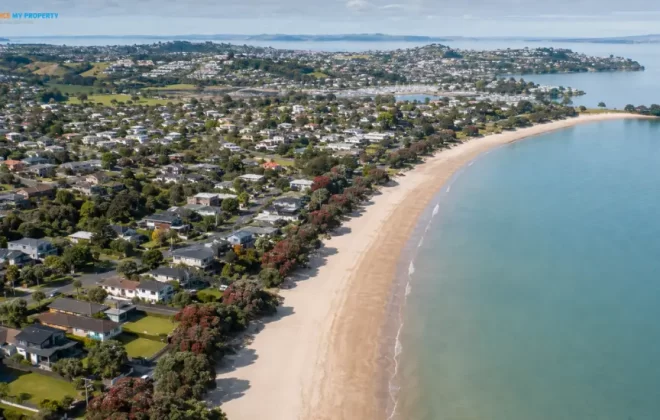
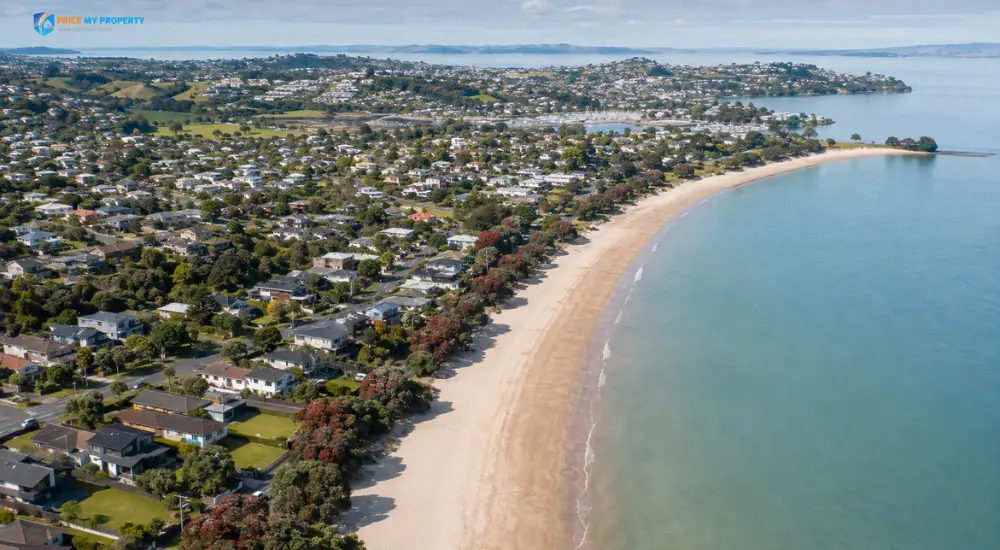
Paraparaumu Beach has a different lifestyle appeal. Beach access, coastal walks, cafés, local parks and a relaxed seaside feel can attract families, downsizers and buyers moving north from Wellington. Property condition can be especially important in coastal areas, where weather exposure, cladding, roofing, joinery, and long-term maintenance may be closely examined.
Otaihanga and Paraparaumu Rural add another layer. These areas may include larger sections, more privacy or semi-rural features. That can make values harder to compare because truly similar recent sales may be limited. A lifestyle property should not be priced using the same logic as a standard suburban three-bedroom home.
How Paraparaumu compares with nearby Kāpiti Coast suburbs
Many buyers looking in Paraparaumu will also compare nearby Kāpiti Coast suburbs. That means sellers need to understand not only their own suburb, but also where their home sits in the wider local choice set.
| Area | Buyer appeal | Pricing note |
| Paraparaumu Beach | Coastal lifestyle, beach access, family appeal | Often analysed separately from Paraparaumu Central |
| Raumati Beach | Village feel, coastal lifestyle, established homes | Useful comparison for beachside buyers |
| Raumati South | Character, lifestyle feel, Queen Elizabeth Park access | Can attract buyers wanting a relaxed coastal setting |
| Waikanae | Train access, larger sections, beach and garden areas | Often compared by families and downsizers |
| Paekākāriki | Tightly held coastal village | Fewer sales can make price signals less stable |
| Ōtaki | More northern Kāpiti option | May appeal to buyers looking for affordability or space |
If you are comparing Paraparaumu with Raumati, the Raumati house prices guide is a useful related resource because it separates Raumati Beach and Raumati South rather than treating the area as one identical market.
What affects house prices in Paraparaumu?
Location is one of the biggest factors. Proximity to schools, shops, transport, parks and the beach can all influence buyer interest. Sun, shelter, street appeal and ease of access also matter, especially for family buyers and older buyers wanting a practical home.
Property type is another major factor. A standalone home on a freehold section will usually be judged differently from a townhouse, unit, cross-lease property or larger rural-edge home. Land size, usable outdoor space, garaging and off-street parking can all shift buyer perception.
Condition can make a big difference. Buyers may pay more for homes that feel warm, dry, well-maintained and easy to move into. Insulation, heating, roofing, cladding, drainage, kitchen and bathroom updates, flooring and presentation can all influence the final result. However, not every renovation returns dollar-for-dollar value. Sometimes basic maintenance, decluttering, cleaning, garden work and small repairs can do more for saleability than expensive upgrades.
Title and property records also matter. Buyers and lawyers may look at whether the title is freehold, cross-lease or unit title, whether there are easements or covenants, and whether alterations appear to have the required consents. These issues do not always stop a sale, but they can affect confidence, negotiation and timing.
How to estimate what your Paraparaumu house could sell for
Start with suburb-level data, but do not stop there. Public property data websites and council rating valuations can help you understand the broader market. They are useful for context, but they cannot see everything about your home.
Next, look at recent comparable sales. The best comparisons are homes that are similar in location, number of bedrooms, floor area, land size, age, condition, title, and overall buyer appeal. A renovated Paraparaumu Beach home should not be compared too heavily with an unrenovated central unit, even if both appear under the same suburb search.
Then check your current competition. Active listings show what buyers can choose from right now, but they do not prove value until they sell. If there are several similar homes on the market, buyers may feel less urgency. If supply is tight in your property type and price bracket, your position may be stronger.
Finally, get a property-specific opinion. If you are unsure about the difference between an agent appraisal, registered valuation and online estimate, read this guide to appraisal vs valuation in NZ. A free Price My Property market report can then help you move from general research to a more realistic selling range based on local evidence.
Is 2026 a good time to sell in Paraparaumu?
Whether 2026 is a good time to sell depends on your reason for selling, your property’s condition, your price expectations and the level of buyer demand when you go to market. Some owners sell because they are upsizing, downsizing, moving closer to family, shifting cities, releasing equity or changing lifestyle. Others wait because they want to finish repairs, improve presentation or get clearer on their next purchase.
Interest rates also matter. The Reserve Bank explains that the OCR influences mortgage and business loan rates, although banks set their own rates and the effects can take time to flow through. For property sellers, this means buyer confidence and borrowing power can change during the year.
Rather than trying to pick the perfect market, focus on preparation. If you are unsure whether to sell now, wait, or tidy the property first, a free seller report from Price My Property can give you a clearer view of where your home sits before you make a major decision.
Common mistakes Paraparaumu sellers should avoid
The first mistake is using one online number as your asking price. A suburb average is not a valuation of your home. It does not properly account for presentation, layout, maintenance, aspect, title, views, garaging or recent improvements.
The second mistake is assuming CV equals market value. CV can be a useful background, especially when comparing council areas, but it may not reflect current buyer behaviour or what similar homes have recently sold for.
The third mistake is comparing with the wrong properties. A home in Paraparaumu Beach, a central townhouse, a larger Otaihanga property and an older home needing work may all attract different buyers. Pricing works best when the comparison set is tight and realistic.
Another common mistake is overcapitalising before sale. Sellers sometimes invest heavily in improvements that buyers do not fully recoup. Before committing to major work, check what local buyers are willing to pay in your price bracket.
The final mistake is choosing the highest appraisal without asking for evidence. A strong appraisal should explain the comparable sales, market conditions and reasoning behind the suggested range.
Final thoughts on Paraparaumu house prices
Paraparaumu house prices are useful because they show the direction and level of the local market. But they are only the first step. To make a better selling decision, you need to combine suburb data, council context, recent comparable sales, current competition and property-specific advice.
Paraparaumu Central, Paraparaumu Beach, Otaihanga, Raumati, Waikanae, and Paekākāriki can all influence buyers’ choices across the wider Kāpiti Coast. The more clearly you understand where your home fits, the easier it becomes to price, prepare and sell with confidence.
To turn the broad Paraparaumu market picture into a property-specific selling range, request a free Market Property Report from Price My Property before choosing your asking price, agent or sale method.
FAQ: Paraparaumu house prices
Q: What is the average house price in Paraparaumu?
A: As of mid-2026, public data place Paraparaumu around the mid-$700,000s on broad market indicators. However, the figure depends on the source and method. Average house value, median sale price, asking price and CV all measure different things.
Q: Are Paraparaumu house prices going up or down?
A: As of mid-2026, public indicators suggest the market has been relatively steady to slightly softer across some measures. However, this can change by property type, price band and timeframe. Always check the latest local sales before making a decision to sell.
Q: Is Paraparaumu Beach more expensive than Paraparaumu Central?
A: Council rating valuation data shows a higher average CV for Paraparaumu Beach than Paraparaumu Central at the 1 August 2023 revaluation. That supports the idea that the beach area often sits in a different value band, but individual homes can still vary widely.
Q: Is CV a good guide to sale price in Paraparaumu?
A: CV is a helpful reference point, but it is not a live market valuation. It may not reflect current demand, renovations, maintenance, presentation or what similar homes have recently sold for.
Q: What affects property values most in Paraparaumu?
A: The biggest factors are location, property type, land size, condition, sun, title, garaging, renovations, maintenance, nearby amenities and the strength of recent comparable sales.
Q: How do I find out what my Paraparaumu house could sell for?
A: Use suburb data as a starting point, then compare recent local sales, current listings and your property’s condition. A written market appraisal or property report can help you understand a more realistic selling range.
Q: Should I renovate before selling in Paraparaumu?
A: Not always. Fixing obvious maintenance issues and improving presentation can help, but large renovations should be considered carefully. Before spending heavily, check whether buyers in your price bracket are likely to reward that work.